
Type of steel shotguns
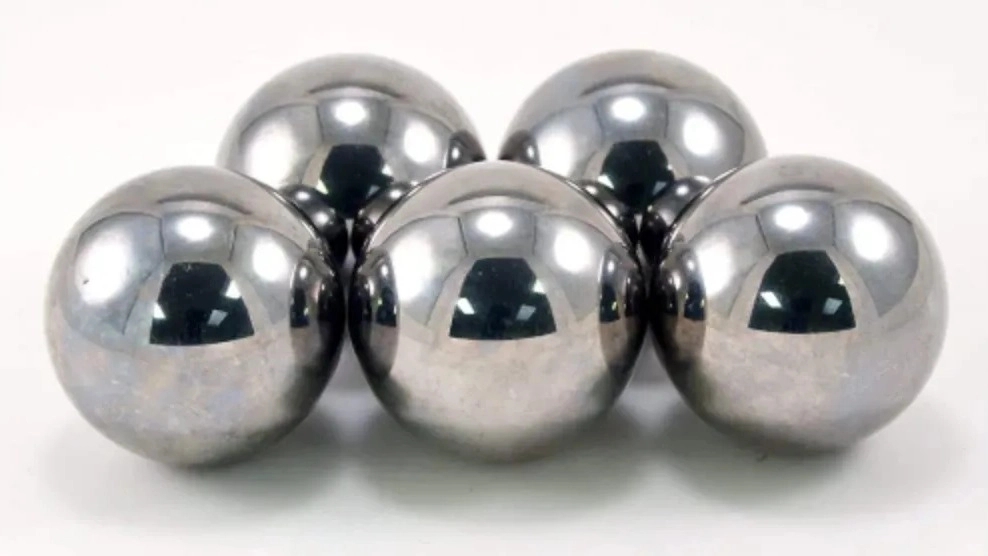
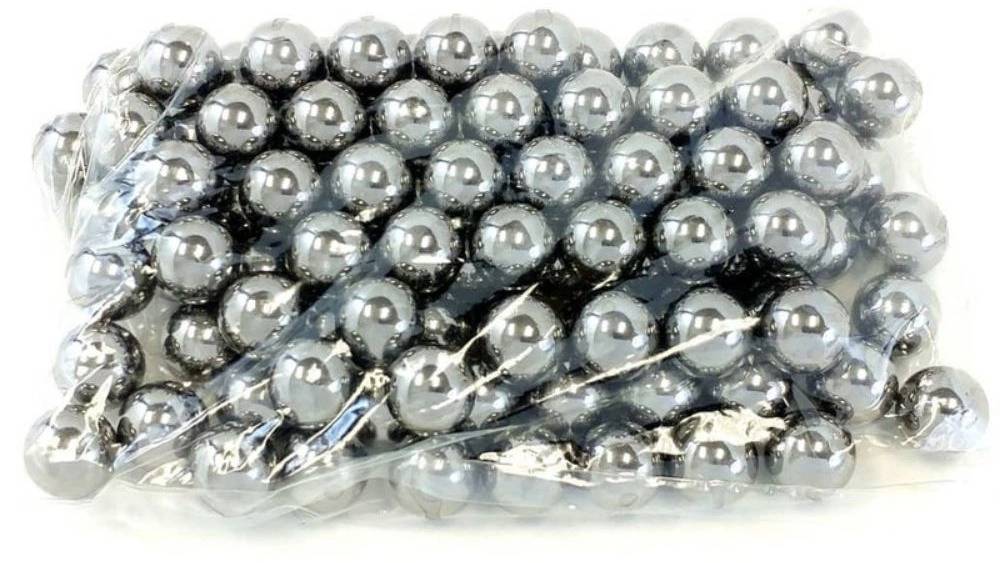
Steel shotguns, also known as bearing or steel spheres, have a wide range of applications in various industries. Highlights, including durability, high resistance, and rust resistance, are analyzed in production processes and different systems.
Types of steel shotguns
1. Care steel shotguns
precise steel shotguns are distinguished from others in exceptional and uniformity in their size and shape.
They are widely used in the air and space industries, medical equipment and precision machinery. These shotguns are critical in applications where low measuring differences are very important for precise performance.
2. Chrome steel shotguns
Chrome steel shotguns have been alloy with chrome to increase their resistance to erosion and rust. They are used in the automotive and production industries as connections in bearings, fittings and other mechanical components.
3. Stainless steel shotguns
Stainless steel shotguns are widely used in the food processing, pharmaceutical and chemical industries because of their chrome and rust resistance. Maintaining hygiene and preventing contamination of products in these industries is crucial and stainless steel shotguns are efficient.
4. Carbon steel shotguns
Carbon steel shotguns are sturdy and affordable. They are used in many parts of the industry, including bicycle parts, industrial wheels and canvaire systems. Low price and wear resistance make them popular for various industries.
5. Back steel shotguns
Empty steel shotguns are shaved with very high accuracy. They are used in decorative applications, architectural designs and as vessels in valves and liquid control systems. One of the most important uses of hollow shotguns is the use in places where weight is needed to avoid wasting power and requires excessive force.
6. Ceramic Sasses
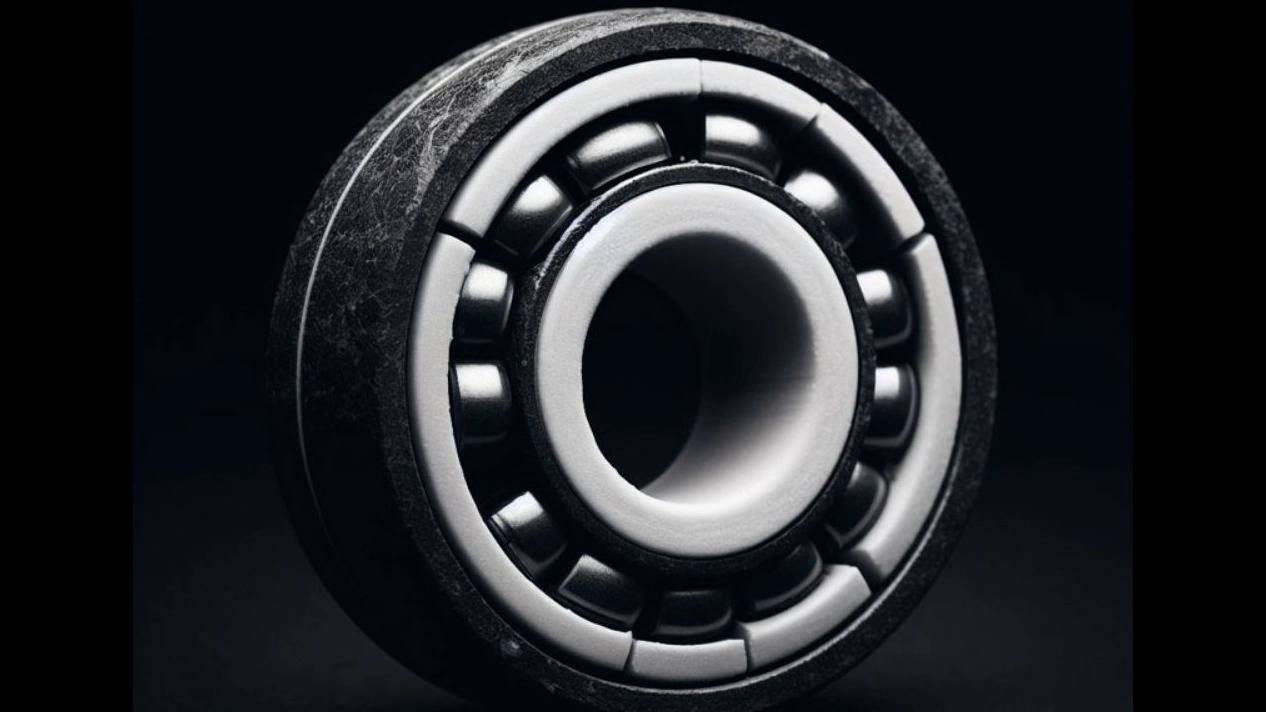
Article: Ceramic shotguns are made of ceramic materials such as silicon nitride (SI3N4) or zirconia (Zro2). These shotguns have exceptional properties such as hardness, wear resistance and low friction. They are able to function at higher speeds and temperatures than steel shotguns.
7. Plastic Schools
Various plastic materials such as polyethylene (PE) or polypropylene (PP) are used to make this model. Plastic plastic slices are light -resistant to rust and electrical insulation. They are suitable for low -load applications and low speed.
8. Combined Schools
This type of shotgun can be a combination of two types of species explained. For example, ceramic and steel composition, with this compound, has some of the properties of all two types, such as high speed and low friction that is ceramic and wear resistant to steel properties.